



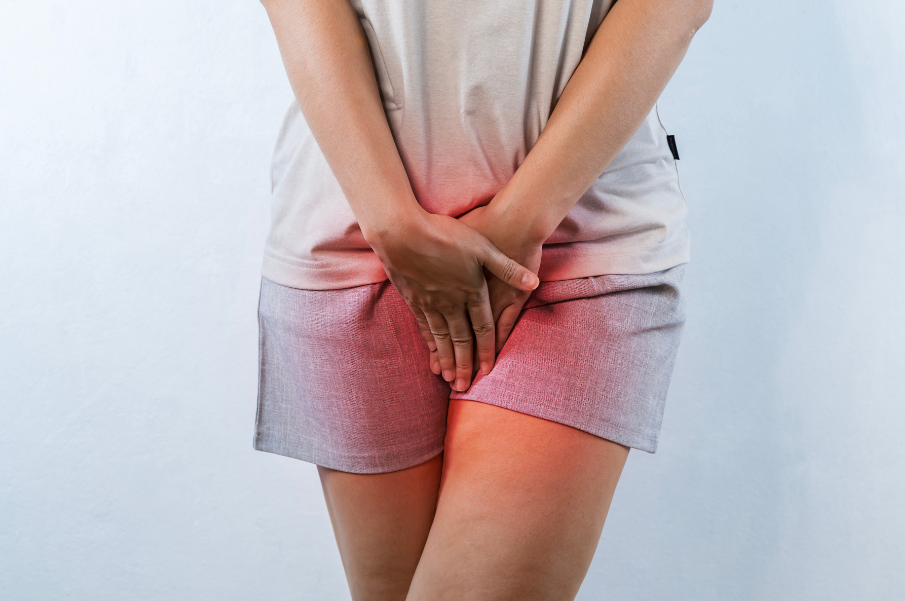
Understanding the difference – urge incontinence vs stress incontinence – can help you get the right treatment and stop it from happening. And it’s not just women – men can also experience urgency, leakage, and changes after prostate surgery or with age.
If you’ve ever leaked urine when you coughed, laughed or exercised… or found yourself suddenly rushing to the toilet and not quite making it… you’re not alone. Bladder leakage is common – especially during pregnancy, after birth, and during midlife hormonal changes – but it’s not something you just have to “put up with.”
Many people first notice leaking during pregnancy or after having a baby. If that’s you, you might also find this article helpful:
👉 Why Am I Leaking After Baby – Even Months (or Years) Later?
If you are experiencing bladder leakage and live in Wellington, our specialised pelvic health physiotherapists can help identify the cause, and give you the right treatment.
Urge vs Stress Incontinence: The Two Most Common Types
Many people searching for help with urge incontinence vs stress incontinence are surprised to learn the treatments are completely different.
1️⃣ Stress Incontinence
Stress incontinence happens when pressure is placed on your bladder.
This might happen when you:
- Cough
- Sneeze
- Laugh
- Lift something heavy
- Jump or run
- Bounce on the trampoline with your kids
It’s called “stress” because of physical pressure (not emotional stress).
👉 The pelvic floor muscles aren’t providing enough support at that moment.
This is very common:
• During pregnancy
• After vaginal birth
• After instrumental delivery
• With prolapse
• Around menopause
If you’re experiencing leaking with running or exercise, you may also find this helpful:
👉 When Can I Return to Running After Having a Baby?
2️⃣ Urge Incontinence (Overactive Bladder)
Urge incontinence is different.
This is when you:
• Suddenly feel a strong urge to wee
• Feel like you must go immediately
• Leak on the way to the toilet
• Go frequently “just in case”
• Wake multiple times at night to urinate
With urge incontinence, the bladder muscle is overactive.
It contracts before it’s actually full.
Many people describe it as:
“I get almost no warning.”
“When I need to go, I need to go NOW.”
Can You Have Both Stress and Urge Incontinence?
Yes – and many women do.
This is called mixed incontinence.
For example:
• You leak when you sneeze
• And you also rush to the toilet frequently
That’s why a proper assessment matters.
If you treat the wrong problem, you won’t get the results you want.
Why This Matters
Stress incontinence is treated differently from urge incontinence.
For Stress Incontinence:
✔ Pelvic floor strengthening
✔ Load management
✔ Return-to-running guidance
✔ Breath coordination
✔ Prolapse management if needed
For Urge Incontinence:
✔ Bladder retraining
✔ Urge suppression strategies
✔ Nervous system regulation
✔ Reducing “just in case” toileting
✔ Adjustments to fluid timing and type
They are not the same plan.
When Should You Seek Help for Urge or Stress Incontinence?
If you:
• Wear pads regularly
• Plan outings around toilets
• Avoid exercise because of leaking
• Feel anxious about being caught short
It’s worth getting support.
Bladder leakage is common – but it is treatable.
It can affect both women and men, and effective treatment is available.
At our Wellington clinic, we:
• Assess your pelvic floor properly
• Check muscle strength and tension
• Look at breathing mechanics and loading pressure
• Review bladder habits
• Create a clear, practical plan customised for you
No shame. No judgement. Just solutions.
You Don’t Have to “Just Live With It”
Many people assume leaking is:
• A normal part of parenthood
• Something that happens after 40
• Just part of getting older
It’s common – but it’s not inevitable. And in most cases, it can significantly improve. Understanding urge incontinence vs stress incontinence is the first step toward choosing the right treatment and getting control of your bladder again.
Related Reading
If you’re experiencing leaking or pelvic floor symptoms, you may find this article useful:
• Why Am I Leaking After Baby – Even Months (or Years) Later?
For more information visit Continence NZ
If you’re experiencing bladder leakage or would like help understanding urge incontinence vs stress incontinence, our Wellington pelvic health physiotherapists are here to help. Book your pelvic health assessment today.