



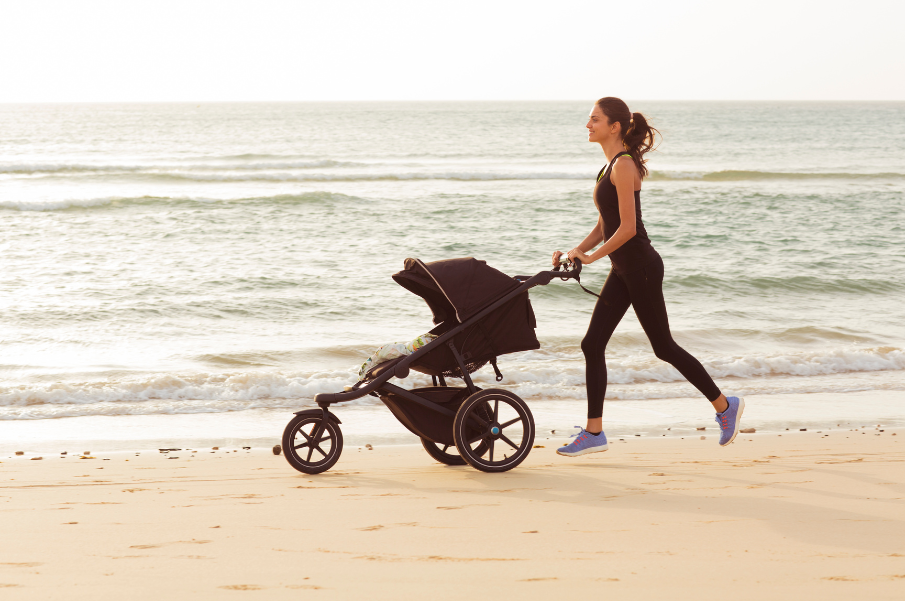
If you’re in Wellington and you’re wondering when you can safely return to running after baby, you’re not alone. Many women feel ready to exercise again. However, when they try to run, they notice leaking, heaviness, or discomfort.
If you’ve had a baby and you’re thinking:
• “When is it safe to run again?”
• “Why am I leaking when I try to jog?”
• “Why does everything feel heavy?”
Your body has been through pregnancy, birth, and recovery. As a result, it needs time to rebuild strength. Running is high impact, so your pelvic floor, abdominal wall, hips, and nervous system all need to be ready.
The goal is not just to run again.
It’s to run without leaking, heaviness, pain, or fear.
How Soon Can You Return to Running After Birth?
Pelvic floor physios recommend waiting at least 12 weeks postpartum before returning to running, as outlined in the return to running guidelines.
This is not just about fitness. It’s also about healing and your body’s ability to handle impact.
Even if you:
• Feel “fine”
• Had a C-section
• Are strong
• Used to run regularly
Pregnancy places pressure on the pelvic floor for nine months. Because of this, healing takes time.
Why Running Feels Different After Baby

Running creates forces of 2–3 times your body weight with every step. Therefore, your body needs to absorb and manage that load.
You might notice:
• Leaking of urine
• Pelvic heaviness
• Abdominal doming
• Hip or lower back pain
If this is happening, your system may not be ready for running yet.
Running does not cause the problem. Instead, it reveals it.
If you’re unsure what’s happening, you may find these articles helpful:
👉 Urge Incontinence vs Stress Incontinence — What’s the Difference?
👉 Why Am I Leaking After Baby — Even Months (or Years) Later?
Signs You’re Not Ready to Run Yet
It’s important to pause and get support if you:
• Leak when you jog
• Feel heaviness or dragging vaginally
• Have pelvic pain
• Notice abdominal separation or pain worsening
• Feel unstable on one leg
• Push through discomfort
These symptoms are common. However, they are also treatable.
What Needs to Be Strong Before You Run
It’s not just about doing pelvic floor exercise (Kegels).
To run safely, you need:
✔ Good functioning pelvic floor muscle – strength, endurance, coordination
✔ Good coordination with breathing
✔ Core control and pressure management
✔ Hip and glute strength
✔ Single-leg balance and control
✔ Ability to tolerate load
Because every body is different, recovery needs to be individual. For this reason, we tailor your exercise programme.
A Safe Way to Return to Running Postpartum
A gradual approach works best.
Phase 1: Foundation
• Walking comfortably
• No leaking
• No heaviness
• Good single-leg control
• Strength exercises tolerated
Phase 2: Walk–Run Intervals
• for example – 1 minute run / 1–2 minutes walk
• Short sessions
• Monitor symptoms for 24 hours
Phase 3: Build Gradually
• Increase time slowly
• Add hills later
• Add speed as tolerated
If symptoms increase, reduce the load. Progress should feel steady, not rushed.
What About Leaking When Running?
Leaking when running is very common after having a baby.
In most cases, this is stress incontinence. This means the muscles are not supporting the bladder neck well enough during impact.
However, it does NOT mean:
• You can’t run again
• Your body is damaged
• Surgery is your only option
Instead, it means your body needs targeted rehabilitation.
What About Prolapse?
You may notice:
• Heaviness
• A dragging sensation
• A bulge
• Symptoms worsening later in the day
If this happens, get assessed before returning to running.
Many women with mild prolapse can return to running safely. However, the right guidance is important. We can also fit you with a silicon pessary to help with support. For some this means you can get back to running even if your pelvic floor hasn’t regained full strength.
How Pelvic Health Physiotherapy Wellington helps
At our Wellington pelvic health clinic, we take a detailed and individual approach.
We assess:
• Pelvic floor strength and tone
• Breathing and pressure control
• Abdominal wall and core function
• Hip and pelvic stability
• Running readiness
• Symptom response
Then, we create a personalised return-to-running plan.
So, instead of guessing, you have a clear path forward.

Ready to Return to Running After Baby?
Running should feel freeing. It should not feel stressful or unpredictable.
You shouldn’t have to:
• Wear pads “just in case”
• Avoid certain movements
• Feel anxious during exercise
If you’re also experiencing leaking when running, you may find this helpful:
👉 Why Am I Leaking After Baby — Even Months (or Years) Later?
If you’re in Wellington and want to safely return to running after baby safely, we can help.
👉 Book your pelvic health assessment today
and get a clear, personalised plan for returning to running