



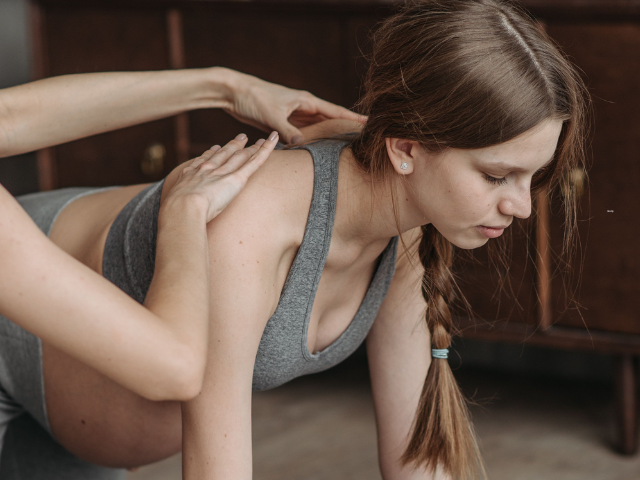
Pelvic pain in pregnancy? There’s good evidence that pelvic girdle pain treatment, using a variety of approaches, can genuinely help most women manage and reduce their symptoms. Here’s what’s worth trying, and what to expect.
Start With a Proper Assessment
Current clinical guidelines recommend referral to a physiotherapist for exercise advice and, where appropriate, a support belt. There isn’t strong evidence yet for manual therapy used on its own. So the most effective plans tend to combine several strategies tailored to you, rather than relying on one ‘fix.’
International expert consensus on pelvic girdle pain (PGP) management strongly supports an individualised approach. This should consider not just your joints and muscles, but your daily tasks, stress levels, and even cultural context. Pain experience isn’t purely mechanical.
Pelvic Girdle Pain Treatment: Everyday Movement Strategies
Small changes to how you move through common daily tasks can make a real difference to pain levels. A physiotherapist can talk you through techniques specific to:
- Getting in and out of bed and rolling over – keeping your knees together and moving as one unit rather than twisting
- Getting in and out of a chair – pushing evenly through both legs rather than leaning to one side, and using the core correctly
- Getting in and out of the car – moving both legs together
- Sitting and standing posture – to encourage use of the correct muscles, without effort
- Walking (gait) – shortening your stride slightly and help with modifying activities that load one leg at a time. eg stepping over things or standing on one leg to dress
These aren’t just comfort tips. Teaching the right muscles to activate at the right time, in the positions you actually use every day, is a core part of the evidence-based approach to PGP.
Exercise: What the Evidence Actually Shows
Exercise doesn’t appear to prevent PGP from developing in the first place. However it has a meaningful effect on reducing pain severity once symptoms are present. Studies have shown significant improvements in pain, disability, and even sleep quality with exercise therapy.
The right exercise is individual. A combination of targeted stretching and strengthening, generally focused on the hips and deep core, works best when guided by an assessment of how your particular pelvis is moving and loading. Current expert guidance also recommends avoiding activities that are high-load, asymmetrical, or clearly provoke your pain. Don’t just push through discomfort.
Support Belts and Other Aids
A non-rigid pelvic support belt is a reasonable option to trial. Guidelines describe it as something that ‘should be considered.’ Recent research found real improvements in function and pain after around four weeks of consistent daily wear. It won’t work for everyone, and comfort and fit matter. So it’s worth trialling under guidance rather than buying the first belt you find online. At Pelvic Health Physiotherapy we have a range of support belts you can try.
Maternity compression shorts have shown good pain-reduction results during pregnancy. Discuss this with your physiotherapist as an additional option alongside movement strategies – not a replacement for them.
A gentle myth-bust on manual therapy
It’s a common belief that hands-on treatment can ‘put the pelvis back in place.’ Research comparing manual therapy techniques vs sham treatment found no real difference in immediate pain or function between the two. This suggests any benefit felt in the moment is more likely due to general effects like reassurance or temporary unloading, rather than a structural ‘correction.’ Manual therapy can still have a role as part of a broader plan, but it’s worth having realistic expectations about what it is and isn’t doing.
What This Means for You
The most effective approach to PGP combines movement education and targeted exercise. For some, a support belt is also helpful. Treatment should be designed around your specific pain patterns and daily demands. It may take a number of weeks of consistent effort to see meaningful change, so give any plan a genuine trial before judging whether it’s working.
Frequently Asked Questions
Do I need a support belt as part of pelvic girdle pain treatment?
Not necessarily – it depends on your symptoms and how much relief it provides when trialled. Many women find a properly fitted, non-rigid belt genuinely helpful, particularly for longer periods of standing or walking, while others don’t notice much difference. It’s worth trialling one under guidance rather than assuming it’s essential.
Is exercise safe if I have pelvic girdle pain?
Generally yes, and it’s usually part of the solution rather than something to avoid. The key is the right type and amount of exercise for your particular symptoms, guided by an assessment, rather than either pushing through pain or stopping activity altogether.
Can physiotherapy actually fix pelvic girdle pain, or just manage it?
Many women see significant, lasting improvement with the right combination of movement strategies, exercise, and support. It’s not simply about coping. That said, it typically takes consistent effort over several weeks, and for some women, symptoms are better described as well managed rather than completely resolved until after birth.
Will manual therapy ‘put my pelvis back in place’?
This is a common description, but it’s not quite what’s happening physiologically. Any relief felt after hands-on treatment is more likely related to reduced muscle tension, reassurance, or temporary changes in loading, rather than a joint being realigned. It can still be a helpful part of a broader plan.
Ready for a plan that actually fits your day-to-day life? Book an assessment with our pelvic health physiotherapists and we’ll build one with you.
Also in This Series
What Is Pelvic Girdle Pain, and Why Does It Happen in Pregnancy? – the causes and risk factors behind PGP.
Posture & Back Care With a Newborn – protecting your back once baby arrives.
Further Information
RCOG have other helpful information on treatment of pelvic pain.
Liz Childs is a Wellington pelvic floor physiotherapist with 32 years of experience – 30 of them specialising in pelvic health. She was the first private pelvic health physio in Wellington to work in this area and remains one of New Zealand’s most experienced practitioners. Liz lectures at Victoria University and the University of Otago Medical School, speaks at national conferences, and sits on the National Executive of Continence New Zealand. She is passionate about helping women, men, and gender diverse patients get the right support for pelvic health problems.